Introduction:
Greetings, astute readers! Navigating the intricate tapestry of personal finance can be akin to composing a symphony. In this discourse, we delve into the realm of balance transfer credit cards—an instrumental tool that holds the potential to orchestrate a melodious financial future. Whether you seek liberation from the clutches of high-interest debt or aspire to fine-tune your financial arrangement, balance transfer credit cards offer a harmonious key to reclaiming control over your monetary composition.
Section 1: Decoding the Harmony of Balance Transfer Credit Cards
Subsection 1.1: Unveiling the Essence of Balance Transfer Credit Cards
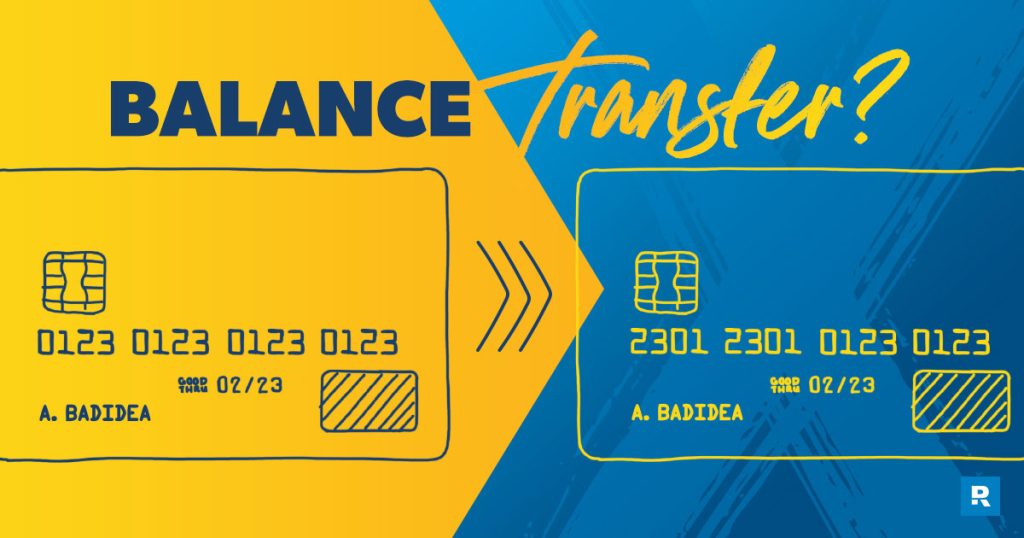
At its essence, a balance transfer credit card is a financial instrument designed to enhance your ability to consolidate and manage credit card debt more effectively. The process involves transposing existing balances from one or more high-interest credit cards to a new card, typically featuring a lower or even 0% introductory Annual Percentage Rate (APR). This strategic maneuver opens avenues for substantial interest savings and expedites the journey to debt redemption.
MUST READ: Benefits of investing in life insurance
Subsection 1.2: The Operational Symphony
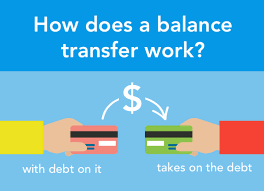
When initiating a balance transfer, the new credit card issuer settles the outstanding balances on your existing credit cards. Subsequently, you owe the new issuer, ideally benefiting from a lower interest rate or a promotional 0% APR for a stipulated period. This respite provides a conducive environment to tackle your debt without the added burden of accruing interest.

Section 2: The Resonance of Benefits
Subsection 2.1: Echoes of Interest Savings
A primary advantage of balance transfer credit cards is the potential for substantial interest savings. By migrating your balance to a card with a diminished APR or a promotional 0% APR, you can significantly curtail the interest accumulating on your debt, facilitating a more expeditious path to settlement.
Subsection 2.2: A Harmonized Debt Repayment Cadence
The consolidation of multiple credit card balances onto one card simplifies the monthly financial symphony. Instead of juggling myriad due dates and interest rates, a single payment takes center stage. This streamlined approach fosters organizational ease, ensuring adherence to your debt repayment plan.
Subsection 2.3: The Crescendo of Improved Credit Scores
Effective debt management through a balance transfer can be the crescendo that positively influences your credit score. By diminishing your credit utilization ratio and consistently making on-time payments, you demonstrate financial virtuosity to credit reporting agencies.
Section 3: Crafting the Perfect Sonata
Subsection 3.1: Crafting Harmonious Offers
When selecting a balance transfer credit card, it is paramount to compare offers from various issuers. Seek cards with competitive interest rates, favorable terms, and reasonable balance transfer fees. Evaluate the duration of any promotional APR period, ensuring alignment with your repayment timeline.
Subsection 3.2: Tuning into Your Financial Prelude
Before orchestrating your move, delve into the nuances of your current financial symphony. Scrutinize your credit score, outstanding balances, and your capacity to settle the debt within the promotional period. This comprehensive understanding will guide your choice of a card harmonizing with your financial needs and aspirations.
Conclusion:
In the intricate sonata of personal finance, balance transfer credit cards resonate as a powerful chord, providing the means to compose a harmonious financial opus. Leveraging the benefits of interest savings, simplified repayment, and credit score enhancement allows you to craft a financial symphony resonating with stability and triumph. Embrace the melody of fiscal prudence and let the harmonious chords of balance transfer credit cards guide you towards a prosperous financial future.
FAQs
Certainly! Here are some frequently asked questions (FAQs) about balance transfer credit cards:
1. What is a balance transfer credit card?
A balance transfer credit card is a type of credit card that allows you to transfer the outstanding balance from one or more high-interest credit cards to a new card, usually with a lower interest rate or a promotional 0% APR for a specified period.
2. How does a balance transfer work?
When you initiate a balance transfer, the new credit card issuer pays off the existing balances on your old credit cards. You then owe the new issuer, ideally at a lower interest rate or with a promotional 0% APR for a set period. This can help you save on interest and pay off your debt more efficiently.
3. What are the benefits of using a balance transfer credit card?
- Interest Savings: One of the primary benefits is the potential to save on interest payments by moving your balance to a card with a lower APR or a 0% introductory rate.
- Simplified Repayment: Consolidating multiple balances onto one card makes it easier to manage payments with a single due date and interest rate.
- Improved Credit Score: Responsible use of a balance transfer card, such as making on-time payments, can positively impact your credit score.
4. Are there any fees associated with balance transfers?
Yes, there is usually a balance transfer fee, which is a percentage of the amount you’re transferring. It’s important to consider this fee when evaluating the overall cost-effectiveness of a balance transfer.
5. How long does the promotional 0% APR period typically last?
The duration of the promotional period varies among credit cards. It can range from a few months to over a year. It’s crucial to be aware of this period and have a repayment plan in place before the regular APR kicks in.
6. Can I transfer balances from any type of debt to a balance transfer credit card?
Balance transfer credit cards are typically designed for credit card debt. While some issuers may allow transfers from other sources, such as personal loans, it’s essential to check the terms and conditions of the specific card.
7. Will opening a new credit card for a balance transfer affect my credit score?
Yes, applying for a new credit card can have a temporary impact on your credit score. However, the potential benefits, such as lowering your credit utilization ratio and improving your overall credit mix, may outweigh the short-term impact.
8. What should I consider when choosing a balance transfer credit card?
Consider the balance transfer fee, the promotional APR period, the regular APR after the promotion ends, and any other fees associated with the card. Additionally, evaluate your own financial situation and ensure that you can commit to a repayment plan.
9. Can I transfer a balance to an existing credit card?
In most cases, balance transfers are allowed only to new credit card accounts. Existing card issuers may have policies against transferring balances between their own cards.
10. What happens if I don’t pay off the transferred balance during the promotional period?
If you don’t pay off the transferred balance within the promotional period, the remaining balance will be subject to the regular APR, which is often higher. It’s crucial to have a clear repayment plan to avoid incurring additional interest charges.
Remember, the information provided here is general in nature, and specific terms and conditions can vary between credit card issuers. It’s advisable to carefully read the terms of any credit card offer and, if needed, consult with a financial advisor for personalized guidance.